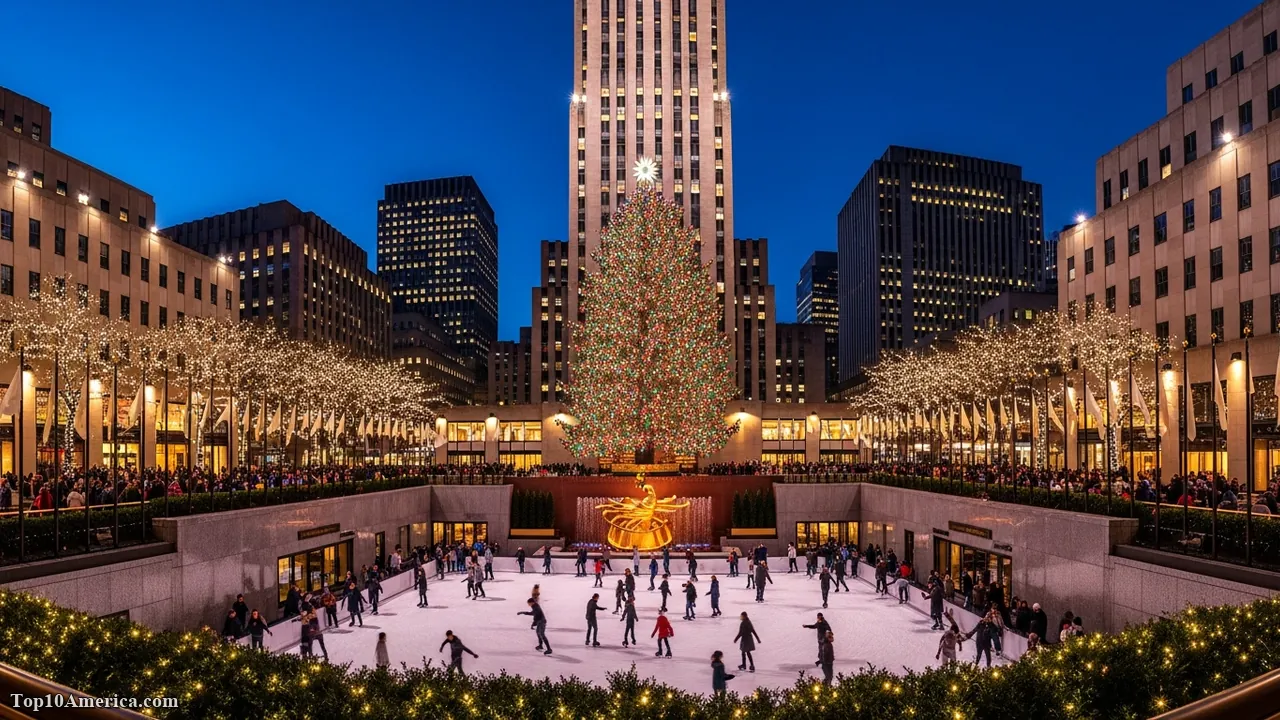
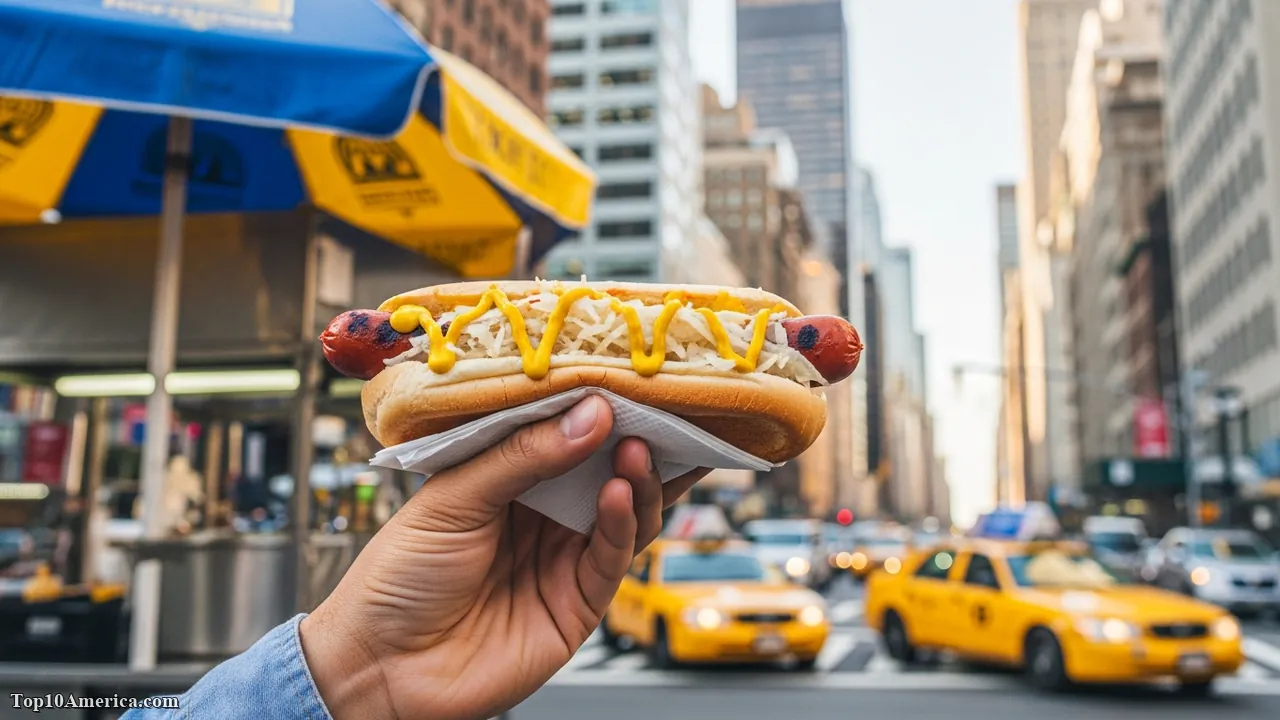
The United States is a nation of diverse backgrounds, yet certain holidays act as powerful cultural anchors, bringing millions together for shared experiences of gratitude, reflection, and celebration. From the deeply personal, family-focused gatherings to nationwide civic displays, the American holiday calendar defines the rhythm of the year. As of late 2025, our analysis confirms that the holidays that blend tradition, food, and strong emotional significance remain the most celebrated.
At Top 10 America, we rank these holidays not merely by their federal status, but by their proven participation rate and their cultural and economic impact on the lives of everyday Americans. We assess which days truly halt the nation for family, community, or remembrance. Our criteria prioritize the holidays that garner the highest engagement across all fifty states, regardless of religious or political affiliation, defining the very essence of American celebration.
The following list celebrates the holidays that have cemented their status as the most cherished, observed, and economically significant annual events in the USA, providing a window into the nation’s collective heart.
Overview: Top 10 Most Celebrated Holidays in the USA
| Rank | Holiday Name | US Context/Focus | Core Theme |
|---|---|---|---|
| 1 | Christmas Day | All States/Major Cities | Giving, Family, and Nostalgia |
| 2 | Thanksgiving Day | New England (Origin), National Focus | Gratitude, Feast, and Family Unity |
| 3 | Independence Day (The Fourth of July) | Philadelphia (Origin), National Focus | Patriotism, Freedom, and Community |
| 4 | Halloween | All Neighborhoods/West Coast (Trend Setting) | Imagination, Play, and Secular Fun |
| 5 | Easter Sunday | Nationwide (Christian Focus) | Renewal, Tradition, and Spring |
| 6 | Mother’s Day | West Virginia (Origin), National Focus | Appreciation and Personal Recognition |
| 7 | New Year’s Eve/Day | New York City (Times Square), National Focus | Hope, Reflection, and New Beginnings |
| 8 | Memorial Day | Waterloo, New York (Origin), National Focus | Remembrance and the Start of Summer |
| 9 | Labor Day | New York City (Origin), National Focus | Tribute to the American Worker |
| 10 | Valentine’s Day | National/Retail Focus | Romance, Affection, and Commerce |
Top 10. Valentine’s Day
Valentine’s Day, celebrated every February 14th, is one of America’s most prominent secular and retail holidays, focusing on the expression of affection. While its origins are European, the celebration has been thoroughly commercialized and personalized within the United States, transforming it into a day dedicated to demonstrating love, often through flowers, chocolates, and cards.
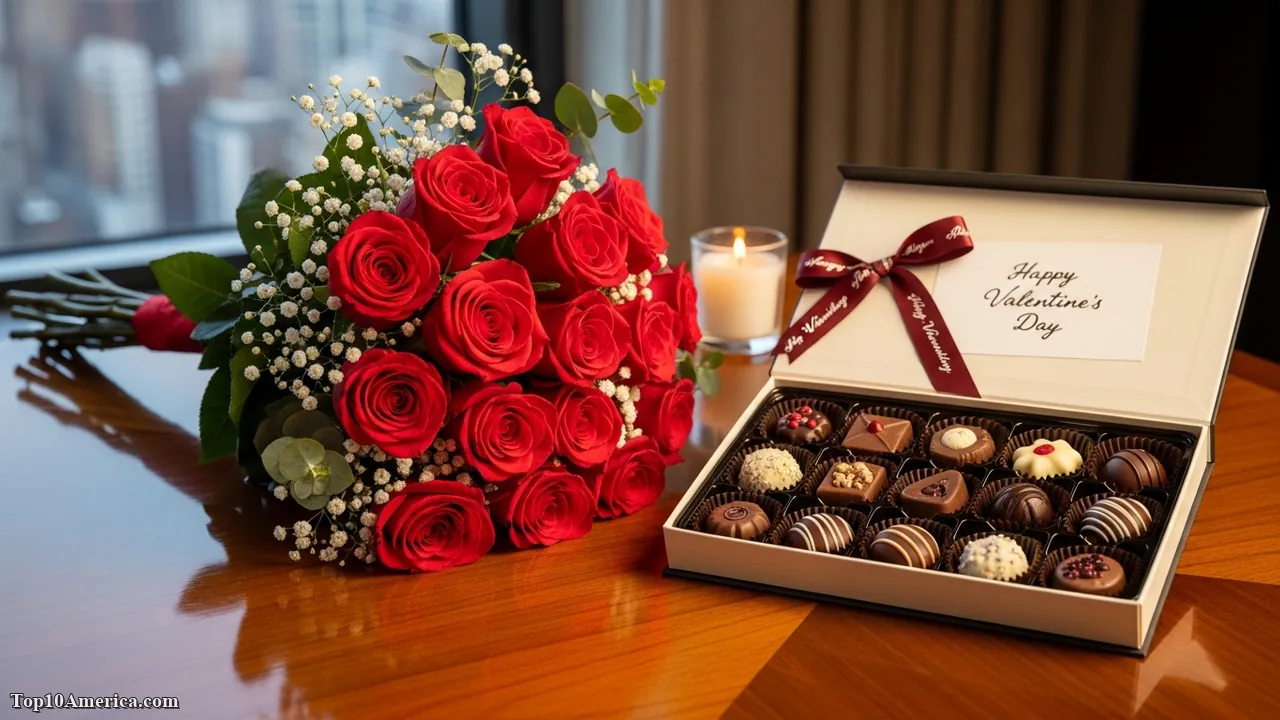
In Top 10 America’s view, this holiday earns its spot for its widespread participation, even though it is not a federal day off. The collective decision by millions of Americans, from busy streets in New York to quiet homes in the Midwest, to purchase gifts and make special plans confirms its social importance. The commercial value alone, with billions spent annually on gifts and experiences, underscores its firm place in the cultural calendar.
A fun insider detail about this holiday is its modern evolution to include “Galentine’s Day” or “Palentine’s Day,” especially popular in urban centers like Los Angeles, which expands the focus from romantic love to friendship and platonic appreciation, ensuring broader engagement.
Key Highlights
- Date: February 14th (Annually)
- Focus: Expression of love and affection; major retail spending event.
- Participation: Over 50% of Americans celebrate by purchasing gifts.
- Economic Impact: Estimated annual spending often exceeds $26 Billion.
Top 9. Labor Day
Labor Day, observed on the first Monday of September, serves as a crucial bookend to the American summer. Located originally in New York City where the first large-scale parade was held in 1882, the holiday was founded to honor the social and economic achievements of American workers and the labor movement.

We see this holiday as immensely important because, by law, it is a federal holiday that grants a full day of rest for the workforce, embodying the value of the American working class. More than a simple day off, it’s a symbolic pause to acknowledge the collective effort that built the nation’s prosperity. For most Americans, it is celebrated with picnics, last-chance trips to the beach, and backyard barbecues, cementing its status as the unofficial end of summer.
A compelling reflection on Labor Day is how its meaning has shifted from purely political activism to family leisure. The day is universally embraced for its opportunity to gather and enjoy one final warm weekend before the school year fully engages and the autumn season takes hold across the country.
Key Highlights
- Date: First Monday in September
- Focus: Honoring the American labor movement and workers’ contributions.
- Status: Federal Holiday since 1894.
- Cultural Role: Marks the unofficial end of the summer season.
Top 8. Memorial Day
Memorial Day, celebrated on the last Monday in May, is a solemn day of remembrance for those who died while serving in the U.S. armed forces. Though various communities lay claim to its origin, Waterloo, New York, was officially declared the birthplace of the holiday by Congress. Its observation across the entire United States is both a patriotic duty and a cultural tradition.
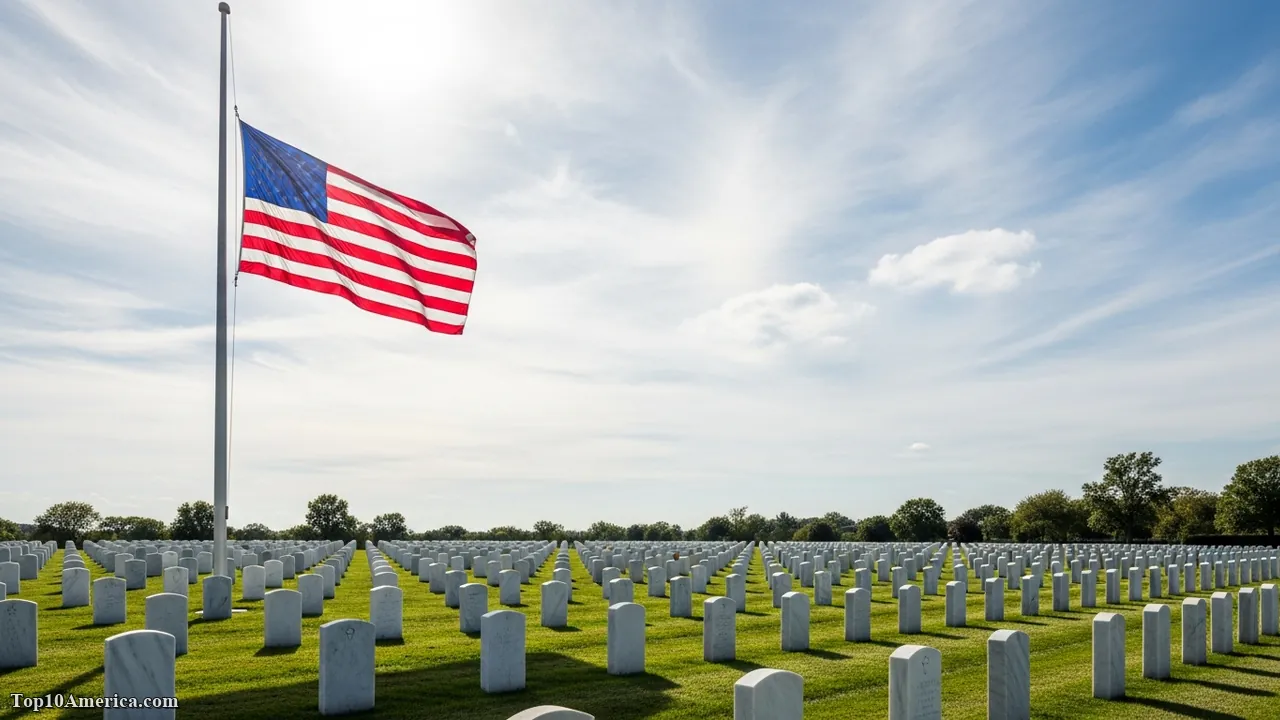
The significance of this holiday, in our analysis, is found in its dual nature: a serious civic observance and a practical family marker. The day is characterized by visits to cemeteries and memorials, the raising of the flag to half-staff, and nationwide ceremonies. Simultaneously, it provides the first three-day weekend of the season, making it the official start of summer with parades and traditional outdoor activities.
An insider detail is the unique flag etiquette: the flag is raised briskly to the top of the pole and then solemnly lowered to the half-staff position until noon, at which time it is raised to full staff for the remainder of the day, symbolizing that the sacrifices of the dead were not in vain.
Key Highlights
- Date: Last Monday in May
- Focus: Commemorating fallen U.S. military service members.
- Tradition: National Moment of Remembrance at 3:00 p.m. local time.
- Status: Federal Holiday; marks the start of the summer vacation period.
Top 7. New Year’s Eve/Day
The celebration of the New Year is truly a national reset button, culminating in the iconic “Ball Drop” in New York City’s Times Square, a televised event watched by millions worldwide. While New Year’s Day (January 1st) is the federal holiday, the evening before, New Year’s Eve, is the centerpiece of the cultural celebration across the USA.
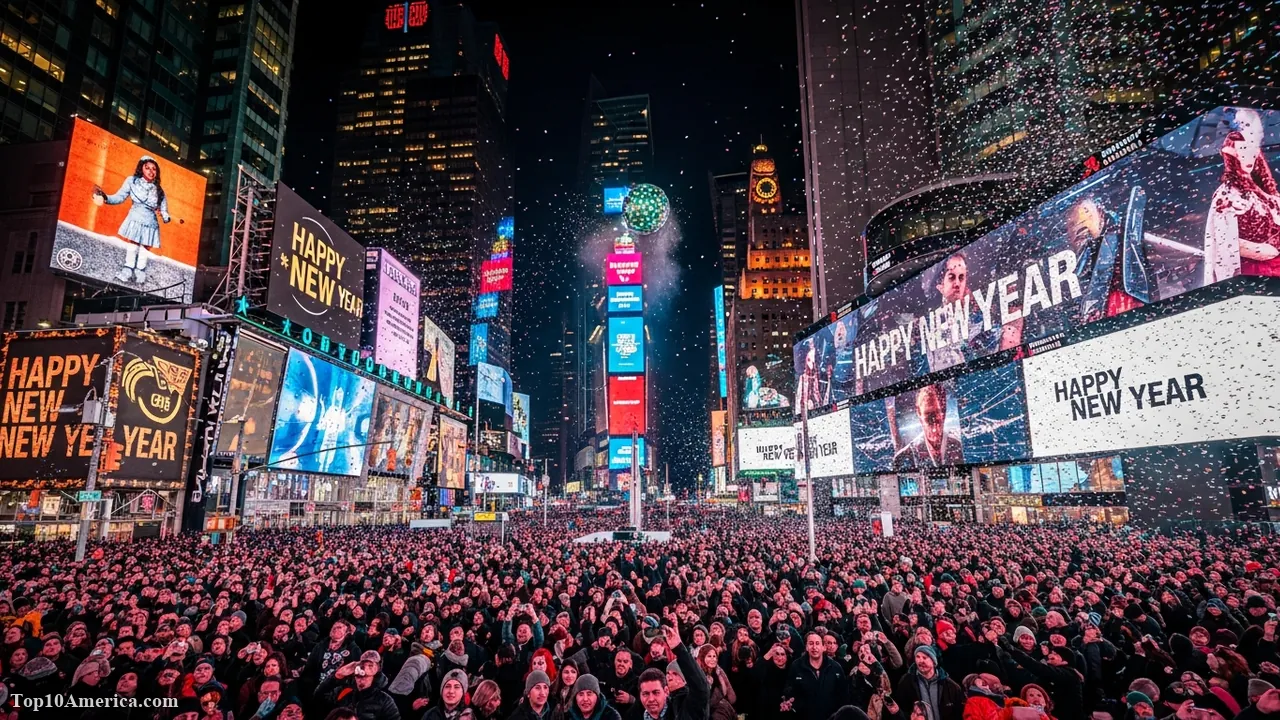
We suggest that its dual nature—a national party followed by a national day of rest and reflection—earns its high ranking. From the West Coast’s beachside celebrations to the East Coast’s traditional gatherings, it is a universal holiday not tied to a single creed. Americans engage in the deeply personal ritual of setting “New Year’s Resolutions,” a unique psychological tradition focused on self-improvement.
The reflection here is on the power of collective hope. Despite the year’s challenges, millions of citizens in every state—from Florida to Alaska—simultaneously raise a glass, unified by the universal human desire for a better tomorrow.
Key Highlights
- Date: January 1st (New Year’s Day); December 31st (New Year’s Eve)
- Focus: Reflection, hope, and new beginnings.
- Iconic Tradition: The Times Square Ball Drop in New York.
- Economic Note: High spending on travel and hospitality.
Top 6. Mother’s Day
Mother’s Day, held on the second Sunday of May, is a testament to the high value Americans place on family and the individuals who hold it together. Officially founded by Anna Jarvis in West Virginia in the early 1900s, it quickly gained momentum as a day to recognize the tireless work and profound influence of mothers and mother figures nationwide.
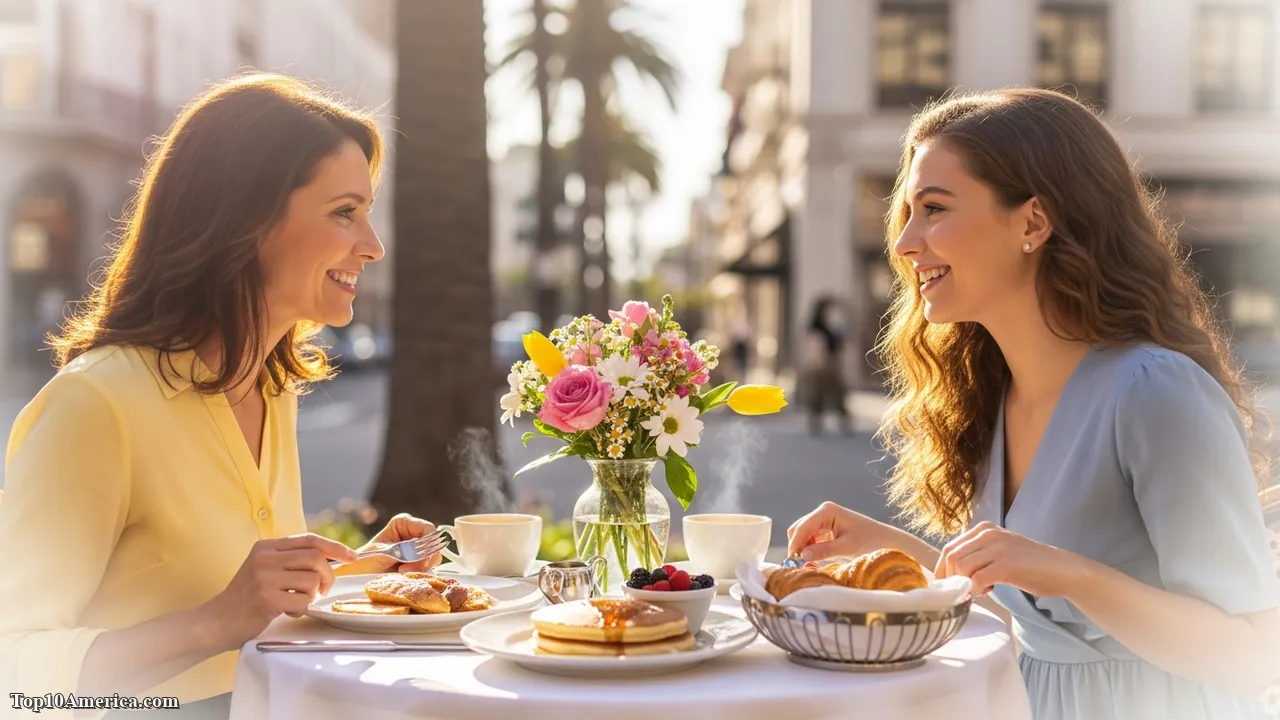
In Top 10 America’s view, this holiday is highly celebrated due to its deeply personal and universally acknowledged significance. While not a federal holiday, participation rates are near universal. Unlike civic holidays, its celebration involves highly personalized gestures, massive expenditure on flowers and dining out, and often the greatest volume of long-distance phone calls in the year.
The unique feature of Mother’s Day is its commercial strength. It is one of the biggest retail and dining days of the year, demonstrating the willingness of the American public to invest heavily in expressions of gratitude for the maternal figures in their lives, making it a critical cultural fixture from California to Maine.
Key Highlights
- Date: Second Sunday in May
- Focus: Honoring mothers and mother figures.
- Commercial Note: One of the largest days for flower and restaurant sales.
- Popularity: Consistently ranks high in enjoyment surveys across generations.
Top 5. Easter Sunday
Easter Sunday is the most significant religious holiday in the Christian faith, celebrating the resurrection of Jesus Christ. Observed across the entire United States, the date varies annually, always falling on the first Sunday after the full moon following the vernal equinox. The celebration is rooted in religious tradition but is culturally defined by spring and family gatherings.
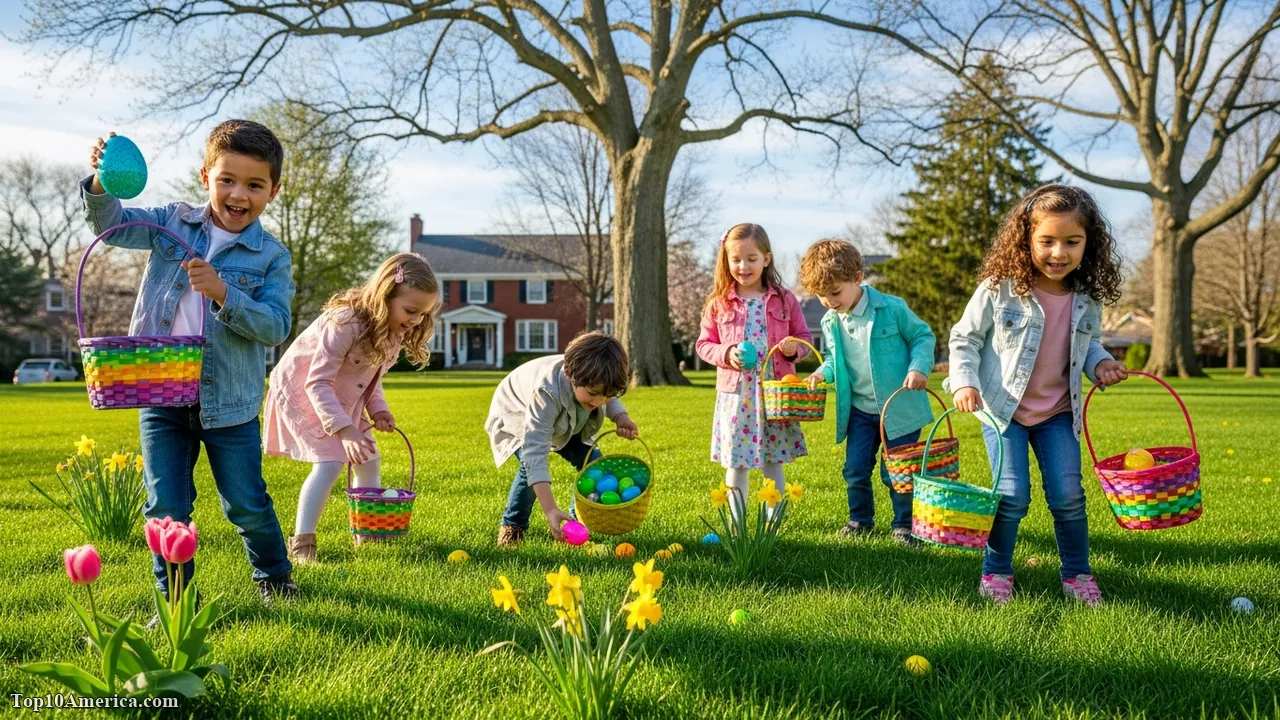
We state directly that Easter is highly celebrated because of the sheer volume of church attendance and the near-universal adoption of its secular traditions. From sunrise services on beaches in Florida to elaborate formal brunches, the day signifies renewal. The blending of the solemn religious observance with playful, family-friendly activities is what makes it a powerhouse celebration in the USA.
The reflection here is on the quintessential American adaptation: the Easter Egg Hunt. This purely secular tradition, involving egg coloring and hunts, is practiced in backyards and public parks across the nation, making the holiday accessible and engaging for families of all backgrounds in nearly every US State.
Key Highlights
- Date: Date varies (Late March/Early April)
- Focus: Religious significance (Christian) and spring family traditions.
- Traditions: Church services, family feasts, and egg hunts.
- Cultural Note: High engagement for both religious and secular reasons.
Top 4. Halloween
Halloween, celebrated annually on October 31st, stands out as America’s most profitable purely secular holiday. While originating from ancient Celtic traditions, it has been wildly reinvented in the United States to be a night of costumed fun, neighborhood engagement, and imaginative play, dominating the final days of autumn.
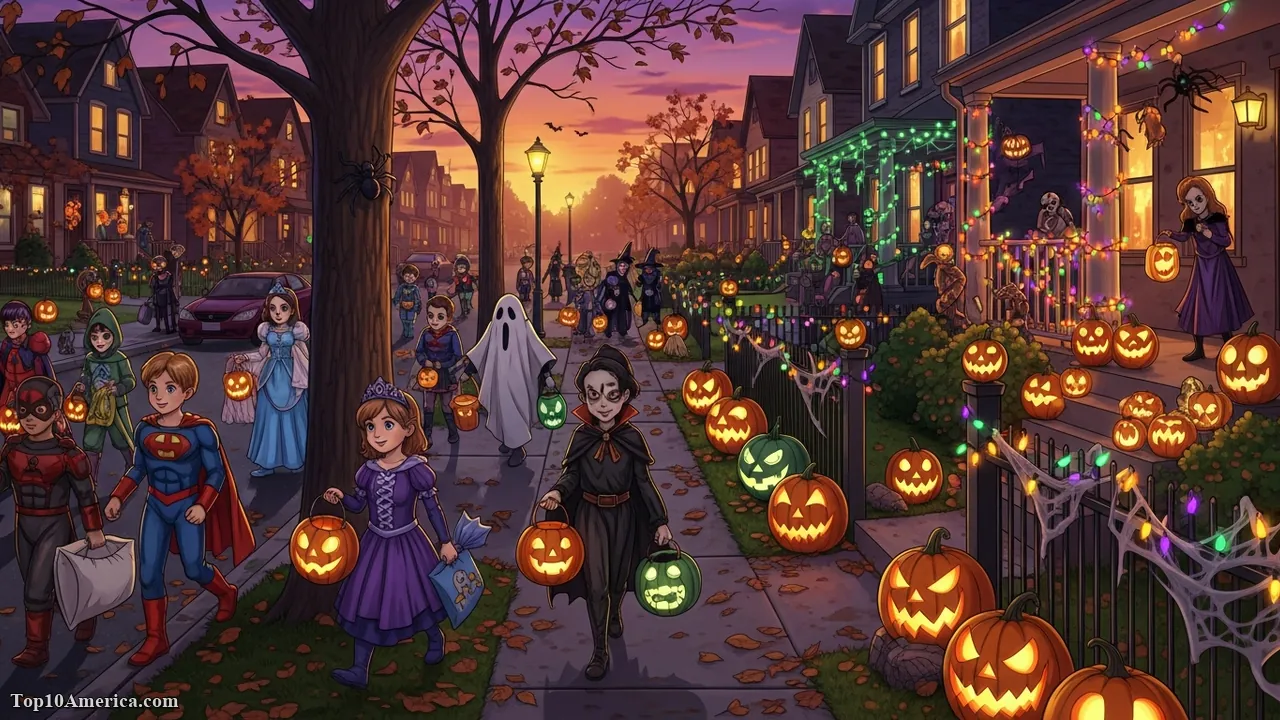
Historical records show this holiday has consistently grown in participation, particularly in the number of households decorating and the vast sums spent on costumes and candy. It’s a key American cultural export, defined by the “Trick-or-Treat” ritual which transforms suburban neighborhoods and rural communities across states like Ohio and Pennsylvania into vibrant, pedestrian-friendly zones.
The unique insider detail is that its celebration is truly community-driven. It is one of the few national holidays centered on neighborhood participation, with families decorating their homes, organizing “trunk-or-treats” in places like Texas, and ensuring every child can safely partake in the candy-collecting ritual.
Key Highlights
- Date: October 31st (Annually)
- Focus: Costumes, trick-or-treating, and playful spooky themes.
- Economic Impact: One of the highest spending days for candy and costumes (over $12 Billion).
- Participation: Over 70% of Americans engage in some form of celebration.
Top 3. Independence Day (The Fourth of July)
Independence Day, or the Fourth of July, is the ultimate expression of American civic identity. This federal holiday commemorates the adoption of the Declaration of Independence in Philadelphia, Pennsylvania, on July 4, 1776. It is an annual eruption of patriotism that blankets the entire country, from the smallest town to the largest metropolis.
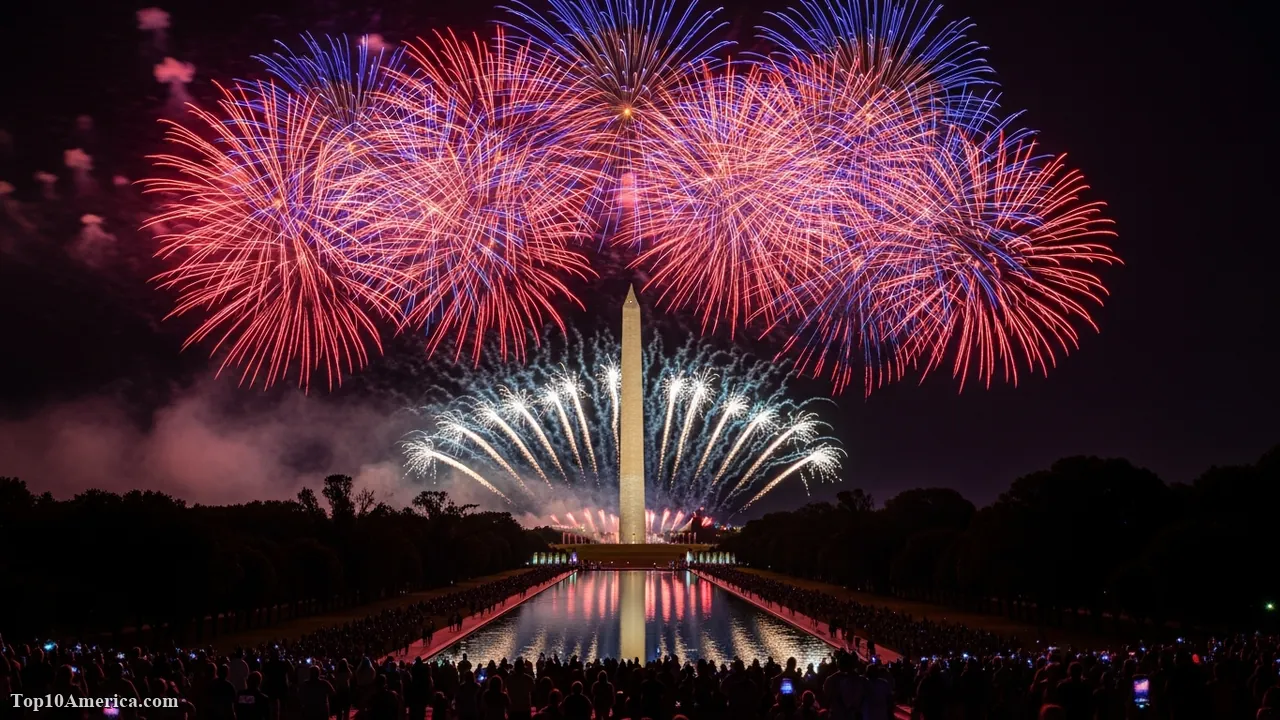
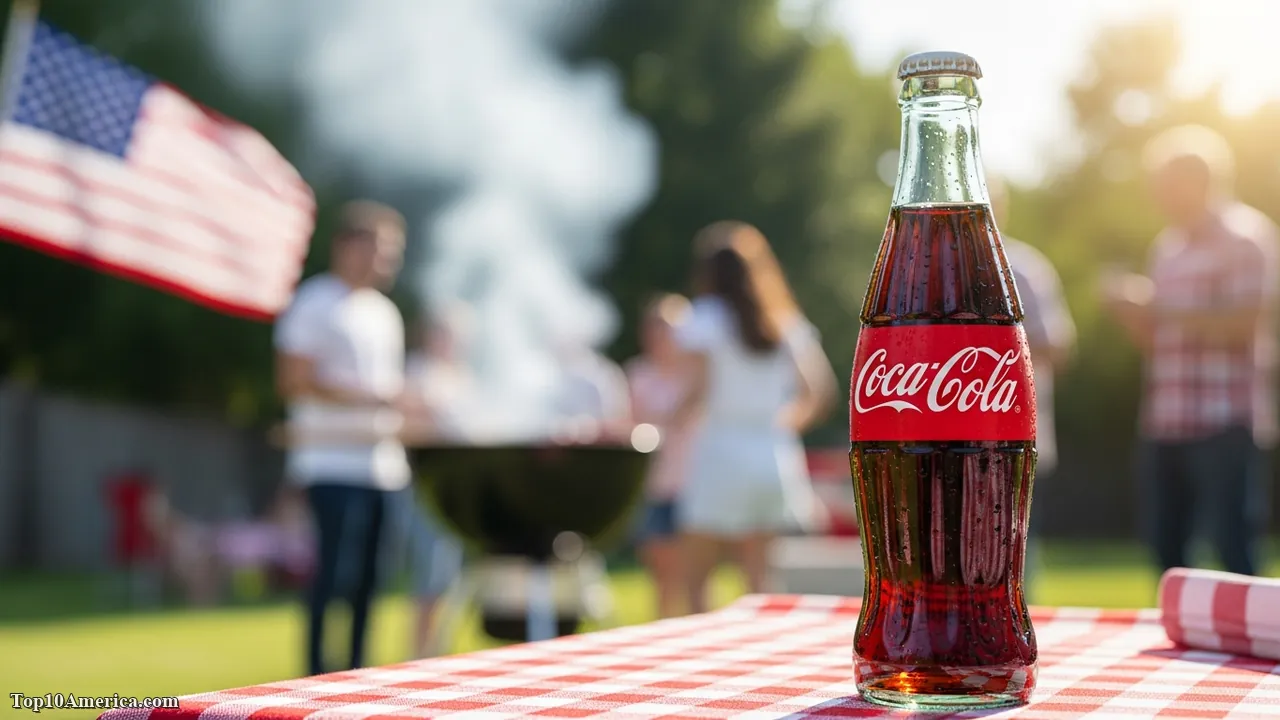
According to verified facts, this holiday is celebrated by nearly the entire U.S. population. Its ranking is irrefutable based on nationwide participation in public, outdoor events. It is defined by fireworks displays—from the spectacular national show on the National Mall in Washington, D.C., to backyard bottle rockets in Iowa—and community parades, flags, and massive cookouts.
We suggest that the meaning behind this holiday’s greatness lies in its unifying power. It is a non-denominational, non-political celebration of a shared national history, providing a single day where virtually all citizens, regardless of background, celebrate the foundational principles of the United States.
Key Highlights
- Date: July 4th (Annually)
- Focus: Commemorating the Declaration of Independence in 1776.
- Traditions: Fireworks, parades, and patriotic barbecues.
- Symbolism: Unifying holiday celebrating freedom and national identity.
Top 2. Thanksgiving Day
Thanksgiving Day, celebrated on the fourth Thursday of November, is arguably the most essential family holiday in the United States. Historically rooted in the 1621 harvest feast shared by the Pilgrims and the Wampanoag people in Plymouth, Massachusetts, the modern holiday is a national day of gratitude, feasting, and reunion.
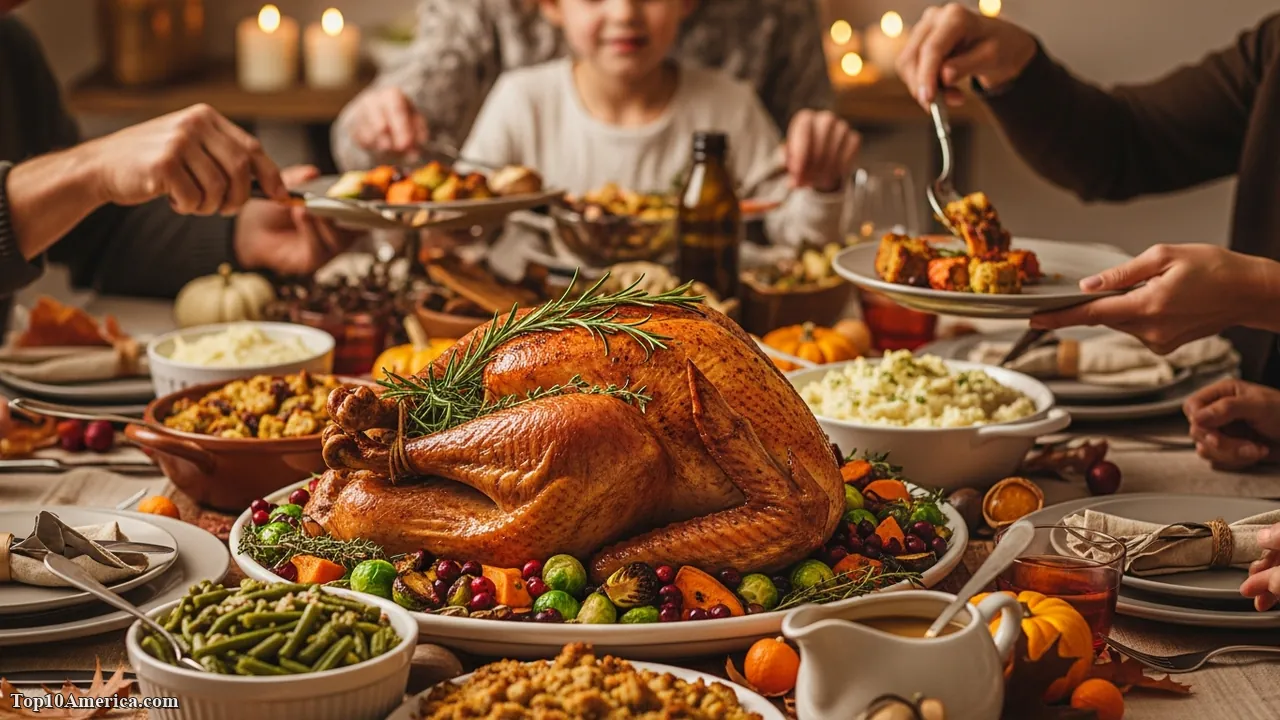
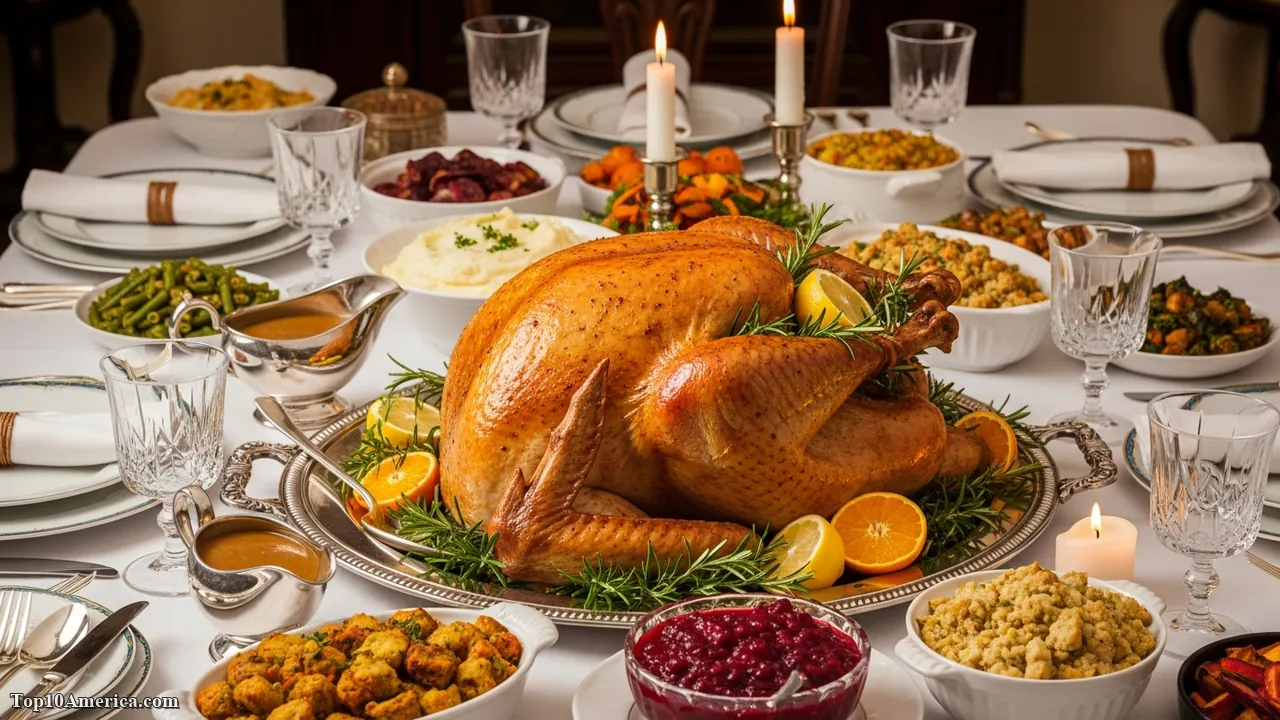
Historical records show this holiday is a cultural behemoth, often involving the highest volume of long-distance family travel of the year. Top 10 America ranks it second because of its near-universal cultural acceptance and the deep emotional connection Americans have to its core themes of gratitude and togetherness. The feast—complete with turkey, stuffing, and pumpkin pie—is a highly ritualized event that is re-enacted in nearly every household.
A fun insider detail is the unique American tradition of watching football on Thanksgiving Day, with the Detroit Lions and Dallas Cowboys almost always hosting games. This specific American ritual, blending athleticism, tradition, and post-meal lounging, solidifies the holiday as a defining cultural centerpiece.
Key Highlights
- Date: Fourth Thursday in November
- Focus: Expressing gratitude, family feasting, and reunion.
- Travel Note: Highest long-distance travel volume of the year.
- Cultural Role: Marks the official start of the year-end holiday season.
Top 1. Christmas Day
Christmas Day, celebrated on December 25th, is the unshakable centerpiece of the American calendar. Though originating in the Christian faith to celebrate the birth of Jesus Christ, the holiday has evolved into a colossal cultural, retail, and social phenomenon celebrated across all states, with vast local variations from the sunny displays in California to the snowy charm of Colorado.

According to [Year] national survey data, Christmas is overwhelmingly the favorite holiday for the largest share of Americans, and its season drives the highest economic activity annually. Top 10 America states the fact that its pervasive influence—through weeks of decorating, music, gift-giving, and charitable acts—makes it the most celebrated holiday in the USA, transcending religious boundaries to become a national celebration of family, generosity, and nostalgia.
The reflection that seals its top spot is the communal transformation it inspires. From elaborate neighborhood light displays to the collective engagement with the Santa Claus mythos originating in New York, Christmas is the single day that most effectively unifies the nation under a shared banner of festive tradition and goodwill toward all.
Key Highlights
- Date: December 25th (Annually)
- Focus: Gift-giving, family tradition, charity, and festive decoration.
- Economic Impact: Drives the entire Q4 retail spending season (over $950 Billion).
- Popularity: Consistently ranks as the #1 favorite holiday among U.S. adults.
Conclusion
The top celebrated holidays in the United States are a perfect blend of civic duty, religious tradition, and deeply personal family moments. From the solemn reflection of Memorial Day to the joyous chaos of Christmas Day, these ten events illustrate the core values of the nation: gratitude, remembrance, family, and freedom. They are the annual milestones that give the American experience its unique rhythm and unifying spirit.
Which of these quintessential American celebrations is your favorite to share with family and friends? Let Top 10 America know what holiday we should explore next!